Why Indians Are Boycotting Turkey Travel in 2025: Visa Hikes & Bad Experiences
Discover why Indian travelers are ditching Turkey in 2025—diplomatic tensions, high visa fees (higher than US/Canada), airport racism, and overcharging. Alternatives like Georgia await. Read real stories on The Global Roamer.

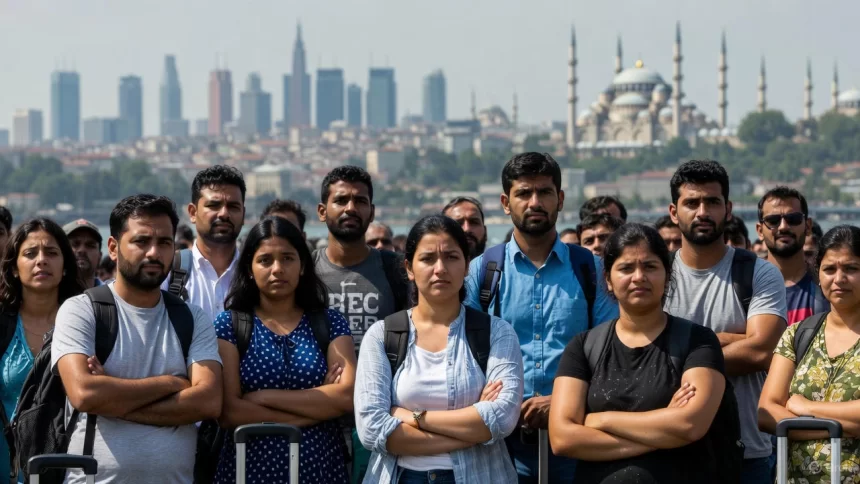
From Blue Mosque to Boycott: Why Indian Travelers Are Ditching Turkey in 2025
By Jasmin, The Global Roamer, November 24, 2025
Picture this: The golden domes of Istanbul's Hagia Sophia shimmering under a Mediterranean sun, the spice-scented bazaars of Cappadocia, and the turquoise waters of Antalya's beaches calling like a siren's song. For years, Turkey has been a dream destination for Indian travelers—a seamless blend of history, adventure, and affordable luxury just a short flight away. In 2023 and 2024, Indian arrivals to Turkey surged by over 30% year-on-year, making us one of the country's top source markets. But fast-forward to late 2025, and the narrative has flipped. Bookings are plummeting, itineraries are being scrapped, and social media is ablaze with #BoycottTurkey hashtags. What's gone wrong in this once-idyllic escape?
As a globe-trotter who's wandered from the fjords of Norway to the souks of Marrakech, I've always championed Turkey's magnetic pull. Yet, in conversations with fellow Indian travelers—from Delhi techies to Mumbai families—I've heard a chorus of regret. "We loved the photos, but the reality? A nightmare," one shared. Drawing from recent data, diplomatic wires, and raw traveler testimonials, this piece unpacks the harsh truths behind the exodus. Spoiler: It's not just one bad apple; it's a rotting barrel of geopolitical grudges, shoddy service, and simmering hostility.
The Spark: Operation Sindoor and a Diplomatic Dagger
It all ignited in April 2025 with the Pahalgam terror attack in Kashmir, a brutal strike that claimed 22 lives and escalated into "Operation Sindoor"—India's swift military retaliation against Pakistan-backed militants. What should have been a contained cross-border skirmish ballooned into international drama when Turkey and Azerbaijan threw their weight behind Islamabad. Turkish President Recep Tayyip Erdoğan publicly decried the operation as "Indian aggression," while Azerbaijan's government echoed calls for UN intervention on Pakistan's behalf.
For Indians, this wasn't abstract politics; it was personal betrayal. Turkey, a nation we'd embraced as a neutral ally—home to visa-on-arrival perks and Bollywood-fueled romance—suddenly felt like an adversary. Boycott calls erupted on platforms like X (formerly Twitter) and Reddit, with influencers and everyday users urging a travel freeze. "Why fund a country that stabs us in the back?" went viral. By May, major Indian online travel agencies (OTAs) like MakeMyTrip and EaseMyTrip suspended bookings to Turkey and Azerbaijan, citing "overwhelming customer demand." IndiGo, India's largest airline, faced backlash for its codeshare with Turkish Airlines, prompting petitions to sever ties.
The Indian Ministry of External Affairs (MEA) didn't issue a blanket ban—its advisory remains mild, urging caution near Syria, Iraq, and Iran borders while deeming Istanbul and coastal areas "generally safe." But grassroots sentiment overrode official nods. "It's not fear; it's principle," a Delhi-based travel agent told me. Families who'd dreamed of Cappadocia hot-air balloons now rerouted to Greece or Jordan.
The Fallout: A Tourism Tsunami
The numbers tell a stark story. In May 2025, Indian arrivals to Turkey cratered 24% year-on-year, per Turkey's Culture and Tourism Ministry data. June saw a 37% plunge, and by October, reports pegged the overall drop at 70% since the conflict. Pre-conflict, Indians contributed over 300,000 visitors annually—second only to Germans. Now? A trickle. Hotels in Antalya and Bodrum, once buzzing with Hindi chatter, echo with empty rooms. Turkish tourism officials have issued desperate pleas: "Please don't cancel; ordinary Turks welcome you," one department head implored in a viral statement.
Economically, it's a gut punch. Turkey's tourism sector, reeling from inflation (peaking at 75% in 2024) and lira devaluation, relied on Indian spenders for their generous outlays on luxury cruises and fine dining. The boycott has forced price slashes—up to 40% off packages—but it's too little, too late. Meanwhile, alternative destinations like Georgia and Armenia report 25-30% upticks in Indian bookings, siphoning the flow eastward.
Horror Stories from the Frontlines: Airports, Roads, and Rudeness
Beyond politics, the real deterrents are the visceral bad experiences flooding traveler forums. Istanbul Airport (IST), a gleaming mega-hub handling 100 million passengers yearly, has become synonymous with Indian nightmares. Delays, lost luggage, and outright discrimination top the complaints.
Take Mohit Shukla, a SAP consultant from Lucknow, stranded at IST in November 2025 with his two young kids. Booked on a Turkish Airlines-IndiGo codeshare to Delhi for a family funeral, they were denied boarding passes despite paying premium fares. "We begged for help—thousands of rupees down the drain, kids crying, no accommodations," he posted on X. His ordeal echoes dozens: Turkish Airlines, the flag carrier, faces a deluge of accusations for "passport profiling." Green passports (from Nigeria, Pakistan, or India) often trigger extra scrutiny, meal vouchers instead of hotels during 24-hour layovers, and icy glares from staff.
Transportation fares no better. A honeymooner from Bengaluru shared on X how his May 2025 trip turned sour: "Police eyed us suspiciously at every checkpoint; hotel staff in Istanbul treated us like suspects. Deep-seated distrust—unwelcoming from the get-go." Taxis and buses? Overcharging is rampant, with drivers quoting triple rates to "South Asian" accents. One viral video captured a Cappadocia cabby hurling slurs at an Indian couple haggling a fair fare: "You must be Pakistani—Indians are generous!"
Racism isn't new to Turkey's tourism underbelly. Wikipedia notes rising xenophobia toward South Asians, Afghans, and Africans amid economic woes and refugee influxes. In April 2025, an Istanbul bazaar shop slapped up a sign: "No discounts for Indians, Pakistanis, Bangladeshis—don't even ask." Expats report similar: Verbal jabs like "Go back to your curry" or exclusion from "VIP" lounges. On X, threads from Indian users in 2025 brim with tales of denied restaurant seats or aggressive bargaining blowups. "It's microaggressions that add up," says Priya Rao, a Mumbai marketer who cut her 2024 trip short. "Feels like you're tolerated, not celebrated."
Even airlines amplify the pain. Turkish Airlines' customer service is a punchline—endless hold times, unfulfilled compensation promises, and luggage vanishing into the ether. Sundeep Mehta's brother waited days for his Delhi-bound bag in November, met with radio silence. A UK professor's public shaming in November went viral: Overbooked and bumped, he chased €600 compensation for six months, only to be ghosted. For Indians, already navigating high costs (flights from Delhi to IST average ₹25,000 round-trip), these hits sting deeper.
Deeper Currents: Inflation, Instability, and Sticker-Shock Visas
Layer on Turkey's domestic chaos: Hyperinflation has jacked up on-ground costs— a simple Istanbul meal now runs ₹1,500 for two, up 50% since 2024. Earthquake scars from 2023 linger, with rebuilding diverting resources from tourism infrastructure. And while MEA rates Turkey "Level 1" (exercise normal caution), sporadic protests and a 2025 heatwave (hitting 45°C in Izmir) add friction.
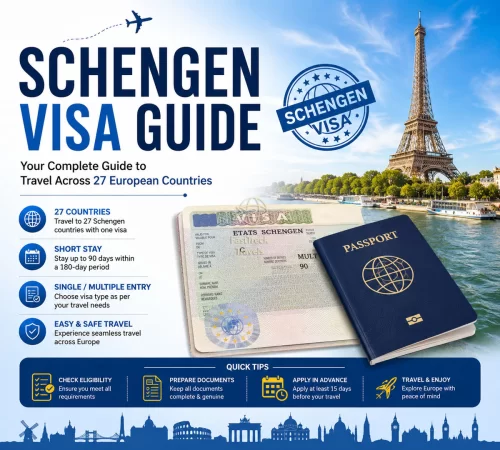
Compounding the frustration is Turkey's visa pricing, which has become a major turn-off for budget-conscious Indian travelers. As of November 2025, the normal sticker visa costs around ₹20,000, and the e-visa fee for Indian citizens stands at a steep ₹12,290 for a single-entry tourist visa (valid for 30 days) and ₹14,290 for multiple-entry (up to 90 days over 180 days)—fees that rival or exceed those for far more generous long-term visas elsewhere. For context, the U.S. B1/B2 visitor visa, valid for up to 10 years with multiple entries, costs around $185 (₹15,500), while Canada's visitor visa is $100 CAD (₹6,000) plus biometrics (total ~₹11,100) for up to 10 years. Even popular European Schengen visas clock in at €80 (₹7,200) for adults, with total costs including service fees hovering around ₹12,000 for a 90-day stay—yet Turkey's shorter validity makes its pricing feel exorbitant by comparison. "Why shell out more for a fraction of the access?" fumes one X user, echoing sentiments that have travelers opting for visa-free gems like Georgia instead.
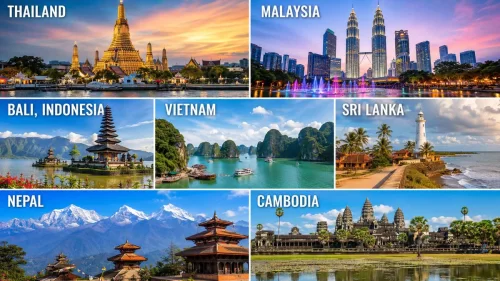
The boycott's ripple? It's empowered travelers to pivot. Georgia's Tbilisi offers visa-free entry and Ottoman echoes at half the hassle; Egypt's pyramids provide ancient allure without the attitude. "We're voting with our wallets," says Ravi Sutanjani, a FinTech exec turned travel influencer. "Turkey had its chance."
The Road Ahead: Can Turkey Turn the Tide?
As 2025 winds down, whispers of reconciliation emerge—Erdoğan's team has floated "tourism diplomacy" overtures, like waived fees for Indian groups. But trust rebuilds slowly. For now, the Blue Mosque's minarets gleam a tad dimmer in Indian imaginations.
Fellow roamers, if Turkey's on your list, pause. The realities—diplomatic chill, airport indignities, everyday slights, and now visa wallet-drains—outweigh the Instagram gloss. Opt for empathy over escapism; choose destinations that cherish you. What's your Turkey tale, good or grim? Drop it in the comments—let's navigate this world together.
Safe travels, wanderers. The globe's vast; pick paths that welcome you home.
Sources & Further Reading:
- NDTV on cancellations
- Skift tourism stats
- MEA advisories
- Traveler stories via X searches (anonymized for privacy)
- Visa fee details from official and travel agency sources