Top 7 Must-Visit Beautiful Places on Earth: Ultimate Travel Guide with Itineraries & Tips
Discover the top 7 most beautiful places on Earth, from the Grand Canyon to Machu Picchu. Get detailed itineraries, best times to visit, airports, and travel tips for an unforgettable adventure.

Top 7 Must-Visit Beautiful Places on Earth: Ultimate Travel Guide with Itineraries & Tips
Welcome to The Global Roamer, your ultimate guide to wandering the world's most breathtaking destinations. In a planet brimming with natural wonders and human-made marvels, some places stand out as timeless must-sees that capture the essence of beauty, adventure, and cultural depth. Drawing from global traveler insights and expert recommendations, we've curated this list of the top 7 beautiful places on Earth that deserve a spot on your lifetime bucket list. These selections—ranging from vast canyons carved by time to ethereal light displays in the sky—offer unparalleled experiences that blend stunning visuals with rich history and diverse activities.
Our picks are inspired by renowned lists highlighting jaw-dropping locales like the Grand Canyon, Great Barrier Reef, Taj Mahal, Machu Picchu, Northern Lights in Iceland, Santorini, and Serengeti National Park. For each destination, we'll dive deep into what makes it special, including practical travel details like nearest airports, sample itineraries, best times to visit, currency, weather patterns, local languages, and insider tips to make your journey unforgettable. Whether you're a solo explorer, a couple seeking romance, or a family on an adventure, these spots promise life-changing memories.
1. Grand Canyon, Arizona, USA
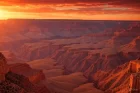
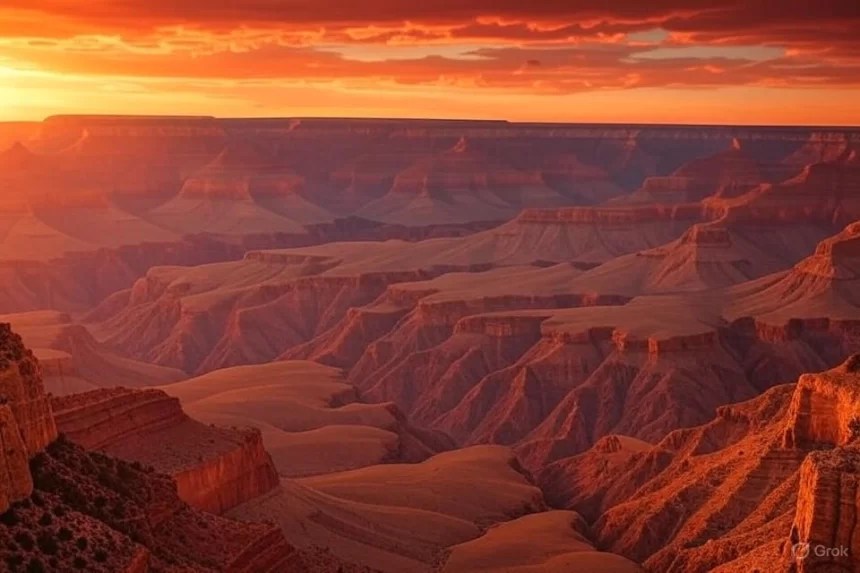
The Grand Canyon is a colossal testament to nature's power, stretching 277 miles long, up to 18 miles wide, and over a mile deep. Formed over millions of years by the Colorado River eroding the Colorado Plateau, this UNESCO World Heritage Site reveals layers of geological history in vibrant red, orange, and purple rock formations. It's not just a visual spectacle—it's a hub for hiking, rafting, stargazing, and wildlife spotting, with species like California condors, bighorn sheep, and mule deer roaming the area. Culturally, it's sacred to Native American tribes such as the Havasupai and Navajo, who have inhabited the region for centuries. Activities include rim-to-rim hikes, helicopter tours, mule rides down the trails, and river rafting expeditions that can last from a day to two weeks. The canyon's two main rims—South Rim (more accessible and developed) and North Rim (wilder and higher elevation)—offer distinct experiences, with the South Rim open year-round and boasting iconic viewpoints like Mather Point and Desert View.
Nearest Airports: The primary international gateway is Phoenix Sky Harbor International Airport (PHX), about 230 miles (3.5-4 hours drive) from the South Rim. For domestic flights, Flagstaff Pulliam Airport (FLG) is closer at 80 miles (1.5 hours drive), with connections from major U.S. cities.
Sample Itinerary (4 Days, Adventure-Focused):
- Day 1: Fly into Phoenix (PHX), rent a car, and drive to the South Rim (stop at Sedona for red rock views en route). Check into a lodge like El Tovar Hotel. Evening: Sunset at Mather Point.
- Day 2: Hike the Bright Angel Trail (partial descent, 6-9 miles round-trip) or join a guided mule ride. Afternoon: Rafting on the Colorado River.
- Day 3: Drive to the North Rim (5-hour scenic drive), explore Cape Royal for panoramic views, and hike the Transept Trail.
- Day 4: Helicopter tour over the canyon, then drive back to Phoenix for departure. Total estimated cost: $800-1,200 per person (excluding flights), including park entry ($35/vehicle), lodging, and activities.
Best Time to Visit: Shoulder seasons of March-May and September-November for milder temperatures (50-80°F/10-27°C), fewer crowds, and better lodging availability. Avoid summer highs (up to 100°F/38°C) unless you enjoy heat, and note winter snow can close roads.
Currency: United States Dollar (USD). ATMs are available at park entrances; credit cards widely accepted.
Weather: Arid desert climate with extreme variations. Summers are hot and dry (80-110°F/27-43°C), winters cold (20-50°F/-7-10°C) with possible snow at higher elevations. Spring and fall are temperate but windy. Monsoon rains hit July-August.
Local Language: English is predominant, with some Spanish influences in Arizona. Navajo and Hopi languages are spoken by indigenous communities, but English suffices for tourists.
Additional Details: Entry requires a National Park Pass; book permits in advance for backcountry camping. Hydration is crucial—carry at least 1 gallon of water per person daily. Eco-tips: Stick to trails to prevent erosion, and consider sustainable tours that support local tribes.
2. Great Barrier Reef, Queensland, Australia
Spanning over 1,400 miles along Australia's northeast coast, the Great Barrier Reef is the world's largest coral reef system and a UNESCO World Heritage Site visible from space. Home to over 1,500 fish species, 411 types of hard coral, and marine life like sea turtles, manta rays, and clownfish, it's a diver's paradise. Beyond snorkeling and scuba, visitors can enjoy glass-bottom boat tours, sailing in the Whitsundays, or flying over Heart Reef. The reef faces threats from climate change, so eco-friendly operators emphasizing conservation are recommended. Islands like Hamilton and Lizard offer luxury resorts, while Cairns serves as a vibrant base with Aboriginal cultural experiences.
Nearest Airports: Cairns International Airport (CNS) is the main hub, with direct flights from Asia, Europe, and the U.S. Townsville Airport (TSV) is a domestic alternative for southern access.
Sample Itinerary (5 Days, Marine-Focused):
- Day 1: Arrive in Cairns (CNS), transfer to a reef-front hotel. Afternoon: Kuranda Rainforest cable car ride.
- Day 2: Full-day snorkeling tour to the Outer Reef, spotting turtles and colorful corals.
- Day 3: Sail to the Whitsunday Islands, visit Whitehaven Beach for silica sands.
- Day 4: Scuba dive or helicopter flight over the reef. Evening: Aboriginal cultural dinner.
- Day 5: Free time for shopping in Cairns, then depart. Estimated cost: $1,200-2,000 per person, including tours ($200-400 each) and accommodations.
Best Time to Visit: June to October (dry season) for clear waters, mild temperatures (70-85°F/21-29°C), and optimal visibility. Avoid wet season (November-May) due to jellyfish and cyclones.
Currency: Australian Dollar (AUD). Reef tours often accept credit cards; cash needed for small vendors.
Weather: Tropical climate: Dry and sunny June-October (low humidity), wet and humid November-May with rains and higher seas. Water temperatures average 75-85°F/24-29°C year-round.
Local Language: English, with Indigenous languages like Yidiny in Aboriginal communities. English is universal for tourism.
Additional Details: Reef health rules: Use reef-safe sunscreen and avoid touching coral. Marine stinger season (November-April) requires protective suits. Sustainable tip: Choose operators certified by the Great Barrier Reef Marine Park Authority.
3. Taj Mahal, Agra, India
This ivory-white marble mausoleum, built in the 17th century by Mughal Emperor Shah Jahan for his wife Mumtaz Mahal, symbolizes eternal love and is a UNESCO World Heritage Site. Intricate inlays of semi-precious stones, calligraphy, and symmetrical gardens make it an architectural masterpiece. Beyond the main dome, explore the mosque, guesthouse, and reflecting pools. Agra offers nearby attractions like Agra Fort and Fatehpur Sikri, blending Mughal history with bustling bazaars selling handicrafts and spices.
Nearest Airports: International: Indira Gandhi International Airport (DEL) in Delhi, 140 miles (3 hours drive/train). Domestic: Agra Airport (AGR), with limited flights from major Indian cities.
Sample Itinerary (3 Days, Cultural Immersion):
- Day 1: Fly into Delhi (DEL), high-speed train to Agra (2 hours). Visit Taj Mahal at sunrise, explore interiors. Afternoon: Agra Fort.
- Day 2: Day trip to Fatehpur Sikri (UNESCO site), return for Taj sunset views. Evening: Local cuisine like petha sweets.
- Day 3: Shopping in Sadar Bazaar, then train back to Delhi for departure. Cost: $300-600 per person, including entry ($15-20) and transport.
Best Time to Visit: October to March for pleasant weather (50-85°F/10-29°C) and clear skies. Avoid summer heat (up to 110°F/43°C) and monsoon rains (July-September).
Currency: Indian Rupee (INR). ATMs plentiful; haggling common in markets.
Weather: Hot and dry summers, mild winters, monsoon with heavy rains. Fog can obscure views in December-January.
Local Language: Hindi primary, with Urdu influences; English widely spoken in tourism areas.
Additional Details: Taj is closed Fridays; book tickets online to skip lines. Dress modestly (cover shoulders/knees). Sustainable travel: Support local artisans and use eco-friendly transport like e-rickshaws.
4. Machu Picchu, Cusco Region, Peru
Perched high in the Andes, this 15th-century Incan citadel is a marvel of stone engineering, with terraced fields, temples, and astronomical alignments. A UNESCO site, it's believed to be a royal estate or religious center, surrounded by cloud forests teeming with orchids, birds, and llamas. Hiking the Inca Trail (permit-required) adds adventure, while the site offers views of Huayna Picchu peak. Cusco, the gateway, brims with colonial architecture and Quechua culture.
Nearest Airports: International: Jorge Chávez International Airport (LIM) in Lima. Domestic: Alejandro Velasco Astete International Airport (CUZ) in Cusco, then train/bus to Aguas Calientes.
Sample Itinerary (7 Days, Including Acclimation):
- Day 1-2: Fly to Lima (LIM), then Cusco (CUZ). Acclimate to altitude (11,150 ft) with city tours of Cusco's Plaza de Armas and Sacsayhuamán ruins.
- Day 3: Train to Aguas Calientes (2 hours), explore the town.
- Day 4: Early bus to Machu Picchu, guided tour, optional Huayna Picchu hike.
- Day 5: Inca Trail day hike or relax in hot springs.
- Day 6: Return to Cusco, visit markets for alpaca textiles.
- Day 7: Fly back via Lima. Cost: $800-1,500 per person, including train ($100+) and entry ($50).
Best Time to Visit: May to October (dry season) for clear trails and views (50-70°F/10-21°C). Shoulder months like May and October offer fewer crowds.
Currency: Peruvian Sol (PEN). USD accepted in tourist areas; exchange in Cusco.
Weather: Highland climate: Dry and sunny May-Oct, wet and muddy Nov-April. Nights chilly year-round (down to 30°F/-1°C).
Local Language: Spanish official; Quechua spoken by indigenous groups. English in tourist spots.
Additional Details: Altitude sickness is common—drink coca tea and take it slow. Book Machu Picchu tickets months ahead (daily limit 2,500 visitors). Eco-tip: Use reusable water bottles; support community-led tours.
5. Northern Lights (Aurora Borealis), Iceland
The Northern Lights dance across Iceland's dark skies in greens, purples, and blues, caused by solar particles colliding with Earth's atmosphere. Best viewed in remote areas away from light pollution, this natural phenomenon is amplified during solar maximum cycles (like 2025). Iceland's volcanic landscapes, geothermal hot springs, and glaciers provide a dramatic backdrop. Key spots include Thingvellir National Park and the Golden Circle route.
Nearest Airports: Keflavík International Airport (KEF), 30 miles from Reykjavik, with direct flights from Europe and North America.
Sample Itinerary (5 Days, Light-Hunting):
- Day 1: Arrive Keflavík (KEF), transfer to Reykjavik. Evening: Northern Lights bus tour.
- Day 2: Golden Circle: Geysir, Gullfoss waterfall, Thingvellir—prime for aurora spotting at night.
- Day 3: South Coast drive to black-sand beaches and ice caves, aurora hunt.
- Day 4: Blue Lagoon soak, then Reykjavik for museums and nightlife.
- Day 5: Free day or optional glacier hike, depart. Cost: $1,000-1,800 per person, including tours ($100-200).
Best Time to Visit: September to April for dark nights; peak in September-October and February-March for milder weather and high activity (-5-40°F/-20-4°C).
Currency: Icelandic Króna (ISK). Cards preferred; ATMs everywhere.
Weather: Cold and unpredictable winters with snow, wind, and short days. Summers too bright for lights.
Local Language: Icelandic; English fluently spoken by nearly all.
Additional Details: Check aurora forecasts via apps like Vedur.is. Dress in layers with thermal gear. Sustainable: Opt for electric vehicle rentals to minimize emissions.
6. Santorini, Greece
Santorini's iconic white-washed buildings with blue domes cling to volcanic cliffs overlooking the Aegean Sea, formed by a massive eruption 3,600 years ago. This Cycladic island boasts black-sand beaches, ancient ruins like Akrotiri (a "Minoan Pompeii"), and world-class wineries producing Assyrtiko grapes. Villages like Oia (famous sunsets) and Fira (vibrant capital) offer hiking, sailing, and fresh seafood. It's a romantic haven with luxury cave hotels and caldera views.
Nearest Airports: Santorini National Airport (JTR), with seasonal international flights from Europe; year-round domestic from Athens (ATH).
Sample Itinerary (4 Days, Relaxation and Exploration):
- Day 1: Fly to JTR, transfer to Oia hotel. Sunset viewing and dinner.
- Day 2: Hike Fira to Oia trail (6 miles), visit beaches like Perissa.
- Day 3: Boat tour to volcano and hot springs, wine tasting in Pyrgos.
- Day 4: Explore Akrotiri ruins, depart. Cost: $600-1,200 per person, including ferry/boat ($50+).
Best Time to Visit: Late April-June or mid-September-October for warm weather (65-80°F/18-27°C), fewer crowds, and open facilities.
Currency: Euro (EUR). Cards accepted; cash for small tavernas.
Weather: Mediterranean: Hot, dry summers (up to 95°F/35°C), mild winters (50°F/10°C). Windy year-round.
Local Language: Greek; English prevalent in tourism.
Additional Details: Ferries from Athens take 5-8 hours. Avoid peak July-August crowds. Eco-tip: Walk or use public buses to reduce vehicle emissions.
7. Serengeti National Park, Tanzania
The Serengeti, meaning "endless plains" in Maasai, is a vast savanna ecosystem hosting the Great Migration of over 2 million wildebeest, zebras, and gazelles. A UNESCO site, it's home to the Big Five (lion, leopard, elephant, buffalo, rhino) and over 500 bird species. Hot-air balloon safaris offer aerial views, while Maasai villages provide cultural insights. The park connects to Ngorongoro Crater for diverse wildlife experiences.
Nearest Airports: International: Kilimanjaro International Airport (JRO), 200 miles away. Domestic: Seronera Airstrip within the park for bush flights.
Sample Itinerary (7 Days, Safari Adventure):
- Day 1: Fly to JRO, drive to Arusha for overnight.
- Day 2-4: Enter Serengeti, game drives spotting migration herds. Balloon safari on Day 3.
- Day 5: Visit Ngorongoro Crater for rhino sightings.
- Day 6: Maasai village tour, evening drive.
- Day 7: Return to Arusha, depart. Cost: $2,000-4,000 per person, including park fees ($60/day).
Best Time to Visit: Late June to October (dry season) for migration crossings and clear weather (70-85°F/21-29°C).
Currency: Tanzanian Shilling (TZS); USD widely used in parks.
Weather: Dry and cool June-Oct; wet Nov-May with greener landscapes but muddier roads.
Local Language: Swahili official; English in tourism. Maasai spoken locally.
Additional Details: Vaccinations (yellow fever) required. Choose ethical safaris avoiding animal interactions. Tip: Pack binoculars and neutral clothing for wildlife viewing.
These destinations embody the planet's diverse beauty—plan ahead, travel responsibly, and let The Global Roamer inspire your next adventure!