Vietnam Travel Guide 2025: Da Nang, Hanoi, Hoi An & More
Explore Vietnam in 2025! From Da Nang’s beaches to Hoi An’s lanterns, find itineraries, food, and tips for honeymooners, solo travelers, and more.

Vietnam Travel Guide: A Journey Through Timeless Beauty and Vibrant Culture
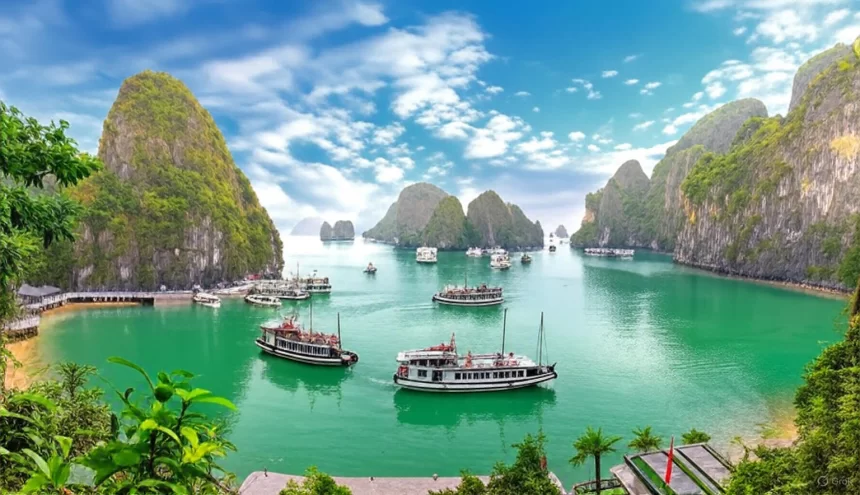
Vietnam, a Southeast Asian gem, captivates travelers with its blend of ancient traditions, stunning landscapes, vibrant cities, and mouthwatering cuisine. From the emerald waters of Ha Long Bay to the lantern-lit streets of Hoi An and the golden beaches of Da Nang, Vietnam offers something for every type of traveler—honeymooners, youngsters, solo adventurers, and aged couples. This comprehensive travel guide, crafted for The Global Roamer Travel Blog, explores Vietnam’s must-visit destinations (both iconic and off-the-beaten-path, including the increasingly popular Da Nang, especially among Indian travelers), the best times to visit, top activities, weather insights, transportation options, culinary highlights, and tailored itineraries for international travelers.
Why Visit Vietnam?
Vietnam’s allure lies in its diversity: lush rice terraces in the north, pristine beaches in the south, and bustling urban hubs steeped in history. The country’s rich cultural tapestry, shaped by Chinese, French, and American influences, blends seamlessly with its natural beauty. Affordable travel costs (especially appealing for Indian travelers), warm hospitality, and a well-developed tourism infrastructure make Vietnam a top destination for global explorers. Whether you’re seeking adventure, romance, cultural immersion, or relaxation, Vietnam delivers unforgettable experiences.
Top Tourist Destinations in Vietnam
Iconic Destinations
-
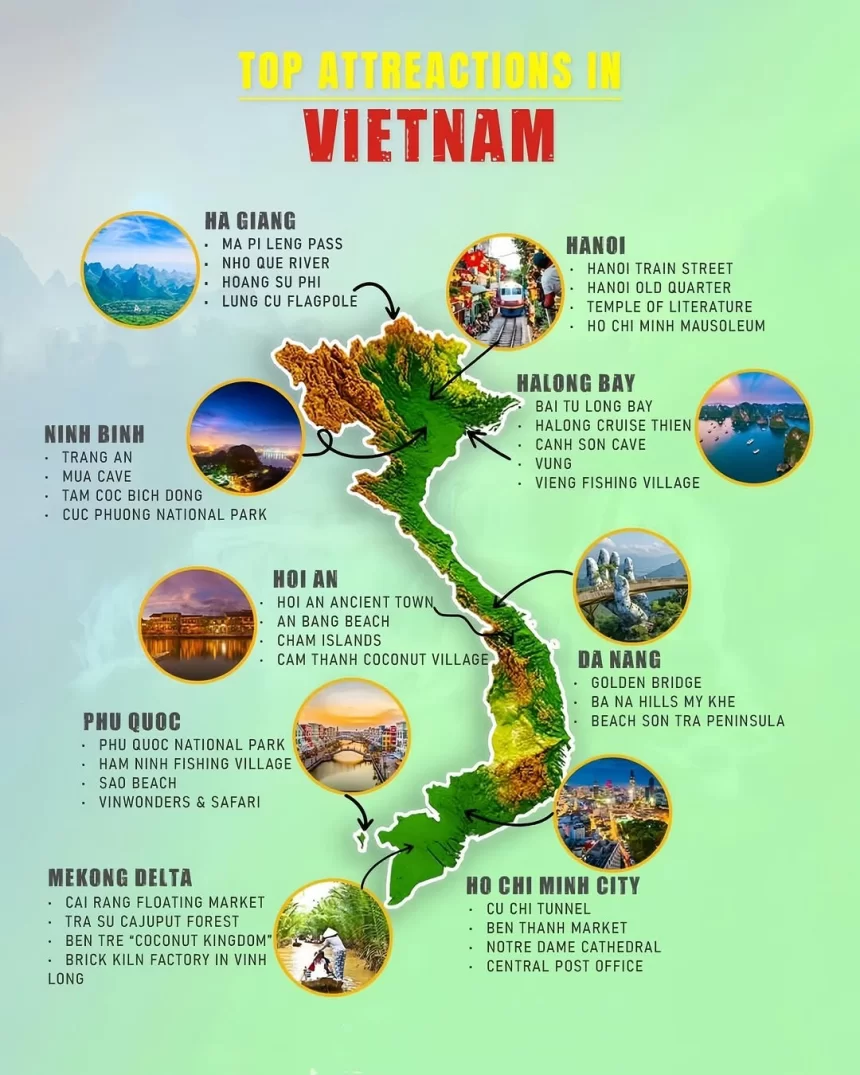
Ha Long Bay (Quang Ninh Province)
- Why It’s Popular: A UNESCO World Heritage Site, Ha Long Bay is renowned for its dramatic limestone karsts, emerald waters, and over 3,000 islands. Its mystical beauty and serene cruises make it a bucket-list destination.
- Must-Do Activities: Take a multi-day cruise (luxury options like Heritage Line’s Ginger or budget-friendly boats), kayak through hidden lagoons, explore Sung Sot Cave, and visit floating villages.
- Best Time to Visit: April to October for blue skies and warm weather; June to August is hot but less crowded. November to March offers cooler temperatures (highs in the 60s°F) but often gray skies.
- Weather Conditions: Tropical, with warm summers (May–October, 77–95°F) and cooler winters (November–April, 60–77°F). September to October is the peak tourist season.
- How to Reach: Fly into Noi Bai International Airport (Hanoi), then take a 2.5–3-hour transfer (bus, van, or private car) to Ha Long. Smaller airports like Van Don or Cat Bi are closer but less frequented. Affordable transfers are available via Klook.
-
Hanoi (Capital City)
- Why It’s Popular: Hanoi’s Old Quarter is a vibrant maze of narrow streets filled with street food vendors, colonial architecture, and cultural landmarks like the Ho Chi Minh Mausoleum and One-Pillar Pagoda. It’s a gateway to northern Vietnam.
- Must-Do Activities: Wander the Old Quarter, watch a water puppet show at Thang Long Theatre, visit the Temple of Literature, and take a street food tour. Multi-day trips to Ha Long Bay or Sapa are easily arranged from here.
- Best Time to Visit: March–April or September–November for mild weather (68–86°F). Summer (May–October) is hot and humid (86–95°F), while winter (November–April) is cooler (60–77°F).
- Weather Conditions: Subtropical climate with wet summers and dry winters. July to September is the wettest period.
- How to Reach: Noi Bai International Airport (HAN) is Hanoi’s main gateway, with direct flights from major Asian hubs like Bangkok, Singapore, and Seoul. Public buses (7,000–15,000 VND) or taxis connect the city center.
-
Da Nang (Central Vietnam)
- Why It’s Popular: Da Nang, a coastal city, is gaining fame among Indian travelers for its golden beaches (My Khe Beach), modern infrastructure, and proximity to Hoi An and Hue. The iconic Golden Bridge at Ba Na Hills, held by giant stone hands, is a social media sensation. The city blends urban energy with natural beauty, including the Marble Mountains and Dragon Bridge, which breathes fire on weekends.
- Must-Do Activities: Visit the Golden Bridge at Ba Na Hills (accessible via cable car), explore Marble Mountains’ caves and pagodas, relax on My Khe Beach, and watch the Dragon Bridge fire show (Saturdays/Sundays at 9 PM). Take day trips to Hoi An or Hue.
- Best Time to Visit: February–August for sunny, dry weather (77–95°F). September–January brings heavy rain, with risks of flooding.
- Weather Conditions: Tropical, with a dry season (February–August) and a wet season (September–January).
- How to Reach: Fly into Da Nang International Airport (DAD), with direct flights from Delhi, Mumbai, Bangalore, and other Asian hubs. Taxis or Grab rides connect to the city center (10–15 minutes).
-
Hoi An (Quang Nam Province)
- Why It’s Popular: This UNESCO-listed ancient town, just 45 minutes from Da Nang, enchants with its lantern-lit streets, well-preserved architecture, and vibrant cultural scene. The monthly Lantern Festival adds a magical touch, appealing to Indian travelers seeking cultural experiences.
- Must-Do Activities: Stroll the Ancient Town, shop for tailored clothing, join a lantern-making workshop, cycle to An Bang Beach, and take a boat ride on the Thu Bon River.
- Best Time to Visit: February–August for dry, sunny weather (77–95°F). The rainy season (September–January) brings heavy showers but fewer crowds.
- Weather Conditions: Tropical, with a dry season (February–August) and a wet season (September–January).
- How to Reach: Fly into Da Nang International Airport (DAD), then take a taxi or shuttle to Hoi An.
-
Ho Chi Minh City (HCMC)
- Why It’s Popular: Vietnam’s economic hub blends French colonial charm with modern energy. Sites like the War Remnants Museum and Cu Chi Tunnels offer insights into Vietnam’s history, resonating with Indian travelers interested in historical narratives.
- Must-Do Activities: Visit Notre-Dame Basilica, explore Ben Thanh Market, tour the Cu Chi Tunnels, and enjoy rooftop bars or street food stalls.
- Best Time to Visit: December–May for dry, warm weather (77–95°F). June–November is the rainy season, with frequent showers.
- Weather Conditions: Tropical monsoon climate, with high humidity year-round.
- How to Reach: Tan Son Nhat International Airport (SGN) is Vietnam’s busiest airport, with direct flights from Delhi, Mumbai, and global hubs. Buses, taxis, or Grab rides connect to the city center.
-
Phu Quoc Island (Kien Giang Province)
- Why It’s Popular: Known for its white-sand beaches, turquoise waters, and luxury resorts, Phu Quoc is a tropical paradise rivaling the Maldives. It’s ideal for Indian honeymooners and families seeking relaxation.
- Must-Do Activities: Relax on Sao Beach, ride the world’s longest over-sea cable car at Sun World Hon Thom, visit Phu Quoc Prison Museum, and explore night markets for fresh seafood.
- Best Time to Visit: November–April for dry, sunny weather (77–86°F). May–October brings rain but fewer crowds.
- Weather Conditions: Tropical, with a distinct dry and wet season.
- How to Reach: Fly into Phu Quoc International Airport (PQC) from Hanoi, HCMC, or international cities like Singapore. Taxis or resort shuttles reach most hotels.
Hidden Gems
-
Sapa (Lao Cai Province)
- Why It’s Popular: Nestled in the Hoang Lien Son Mountains, Sapa is famous for its terraced rice fields, ethnic minority villages (Hmong, Dao), and misty landscapes. It’s a trekker’s paradise, appealing to Indian adventure seekers.
- Must-Do Activities: Trek through Muong Hoa Valley, visit Cat Cat Village, ride the cable car to Fansipan Peak, and stay in an ethnic homestay.
- Best Time to Visit: September–November or March–May for clear skies and ideal trekking conditions (59–77°F). December–January can be frosty, while April–September is rainy.
- Weather Conditions: Cool, misty winters (41–59°F) and warm, rainy summers (68–86°F).
- How to Reach: Take a 6–8-hour bus or overnight train from Hanoi to Lao Cai, then a 1-hour shuttle to Sapa.
-
Phong Nha – Ke Bang National Park (Quang Binh Province)
- Why It’s Popular: Home to the world’s largest cave, Son Doong, and other stunning caves like Paradise and Hang Toi, this UNESCO site is a haven for adventure seekers, including Indian travelers looking for unique experiences.
- Must-Do Activities: Explore Paradise Cave by boat, zipline, and kayak in Hang Toi, or embark on a multi-day Son Doong expedition (book well in advance).
- Best Time to Visit: February–August for dry weather (68–95°F). September–January brings heavy rain, risking cave closures.
- Weather Conditions: Tropical, with a dry season (February–August) and a wet season (September–January).
- How to Reach: Fly to Dong Hoi Airport (VDH) from Hanoi or HCMC, then take a 1-hour taxi or bus to Phong Nha. Overnight trains from Hanoi are also an option.
-
Ninh Binh (Tam Coc)
- Why It’s Popular: Known as “Ha Long Bay on Land,” Ninh Binh boasts dramatic karsts, rivers, and ancient temples. It’s a serene escape, ideal for Indian travelers seeking nature and tranquility.
- Must-Do Activities: Take a boat ride through Tam Coc, visit Mua Caves for panoramic views, cycle to Bich Dong Pagoda, and explore Hoa Lu ancient capital.
- Best Time to Visit: November–April for cool, dry weather (59–77°F). May–October is hot and rainy.
- Weather Conditions: Subtropical, with cooler winters and hot, humid summers.
- How to Reach: 2-hour bus or train from Hanoi to Ninh Binh, followed by a short taxi ride to Tam Coc.
-
Dalat (Lam Dong Province)
- Why It’s Popular: Dubbed the “City of Eternal Spring,” Dalat’s cool climate, French colonial charm, and lush landscapes make it a romantic destination, perfect for Indian honeymooners and aged couples.
- Must-Do Activities: Visit Emperor Bao Dai’s Summer Palace, explore the Crazy House, stroll through the Valley of Love, and shop at Dalat Market.
- Best Time to Visit: Year-round mild weather (59–77°F), with February–April offering clear skies and blooming flowers.
- Weather Conditions: Temperate, with cool nights and mild days.
- How to Reach: Fly to Lien Khuong Airport (DLI) from Hanoi or HCMC, then take a 30-minute taxi to Dalat. Buses from HCMC take 6–7 hours.
-
Mekong Delta (Can Tho)
- Why It’s Popular: This fertile region offers a glimpse into rural Vietnamese life, with floating markets, rice paddies, and river cruises, appealing to Indian travelers interested in cultural immersion.
- Must-Do Activities: Visit Cai Rang Floating Market, cruise the Mekong River, cycle through villages, and sample tropical fruits.
- Best Time to Visit: December–May for dry weather (77–95°F). June–November is wet but lush.
- Weather Conditions: Tropical monsoon climate, with high humidity.
- How to Reach: Fly to Can Tho International Airport (VCA) or take a 4-hour bus from HCMC.
Best Time to Visit Vietnam
Vietnam’s climate varies by region due to its 1,650km length, with distinct northern, central, and southern zones:
- Northern Vietnam (Hanoi, Sapa, Ha Long Bay): March–April and September–November offer mild temperatures (68–86°F) and low rainfall. Winters (December–January) are cool (41–59°F in Sapa), while summers (May–October) are hot and humid (86–95°F).
- Central Vietnam (Da Nang, Hoi An, Hue): February–August is dry and sunny (77–95°F). September–January brings heavy rain, with risks of flooding, especially in Da Nang and Hoi An.
- Southern Vietnam (HCMC, Phu Quoc, Mekong Delta): December–May is dry and warm (77–95°F). June–November is the rainy season, with short showers.
- Overall Best Time: February–April and September–November for pleasant weather across most regions. Avoid Tet (Vietnamese New Year, late January/early February) due to crowded transport and closures.
Must-Do Activities by Traveler Type
- Honeymooners: Romantic cruises in Ha Long Bay, lantern-lit dinners in Hoi An, luxury resorts in Phu Quoc, scenic walks in Dalat’s Valley of Love, and sunset strolls on Da Nang’s My Khe Beach.
- Youngsters: Motorbike tours in Ha Giang, cave adventures in Phong Nha, nightlife in HCMC, beach parties in Da Nang, and exploring Ba Na Hills’ Golden Bridge.
- Solo Travelers: Street food tours in Hanoi, trekking in Sapa, cycling in Ninh Binh, joining small-group tours in Hoi An or Da Nang, and visiting Marble Mountains for spiritual reflection.
- Aged Couples: Relaxed Mekong River cruises, cultural tours in Hue, leisurely walks in Hoi An, comfortable stays in Dalat’s colonial villas, and easy day trips from Da Nang to Ba Na Hills.
Popular Vietnamese Foods
Vietnamese cuisine is a highlight, known for its fresh ingredients, bold flavors, and affordability ($1.40–$5 per meal), making it a hit with Indian travelers accustomed to vibrant culinary traditions. Must-try dishes include:
- Pho: Aromatic noodle soup with beef (pho bo) or chicken (pho ga), served with herbs and chili, similar to Indian broth-based dishes but lighter.
- Banh Mi: A French-inspired baguette sandwich with pate, meats, pickled vegetables, and herbs, offering a familiar yet unique taste for Indian palates.
- Bun Cha: Grilled pork with rice noodles, herbs, and fish sauce, popularized by Anthony Bourdain, with a tangy flavor profile.
- Goi Cuon: Fresh spring rolls with shrimp, pork, and vegetables, dipped in peanut sauce, a light option for vegetarians if customized.
- Cao Lau: Hoi An’s signature noodle dish with pork, greens, and crispy noodles, a must-try near Da Nang.
- Ca Phe Sua Da: Vietnamese iced coffee with sweetened condensed milk, a sweet treat akin to Indian chai but with a bold coffee kick.
- Street Food: Try banh xeo (crispy pancakes), hu tieu (southern noodle soup), and tropical fruits like mangosteen and rambutan, which resonate with India’s fruit markets.
Tips for Indian Travelers: Request “khong thit” (no meat) for vegetarian options, though vegan choices are limited outside tourist hubs. Avoid ice in drinks (request “khong da”) and raw vegetables unless boiled (“rau chon”). Indian restaurants are available in Da Nang, Hanoi, and HCMC for familiar flavors.
Transportation in Vietnam
International Airports
Vietnam has 11 international airports, with the main hubs being:
- Noi Bai International Airport (HAN, Hanoi): Northern gateway, serving Ha Long Bay, Sapa, and Ninh Binh. Direct flights from Delhi, Mumbai, and Bangalore.
- Tan Son Nhat International Airport (SGN, Ho Chi Minh City): The busiest airport, ideal for southern destinations like the Mekong Delta and Phu Quoc. Direct flights from major Indian cities.
- Da Nang International Airport (DAD, Da Nang): Central hub for Da Nang, Hoi An, and Hue, with direct flights from Delhi, Mumbai, Bangalore, and other Asian hubs, making it a convenient entry point for Indian travelers.
- Others: Phu Quoc (PQC), Cam Ranh (CXR, Nha Trang), Can Tho (VCA), and Van Don (VDO, near Ha Long Bay).
Domestic Airports
Vietnam’s 22 civilian airports include smaller domestic hubs like Dong Hoi (VDH, Phong Nha), Lien Khuong (DLI, Dalat), and Cat Bi (HPH, Hai Phong). Domestic flights by Vietnam Airlines, Vietjet Air, and Bamboo Airways are affordable (starting at $30 one-way) and efficient for long distances, ideal for Indian travelers covering multiple regions.
Other Transportation Options
- Trains: The Reunification Express connects Hanoi to HCMC (30–36 hours), with scenic stops at Hue, Da Nang, and Nha Trang. Sleeper trains are comfortable for overnight travel, offering soft berths for Indian travelers seeking budget-friendly options.
- Buses: Affordable ($15 for overnight routes) and extensive, connecting cities and rural areas. Sleeper buses are popular for long journeys, though Indian travelers may prefer private vans for comfort.
- Motorbikes: Renting a motorbike ($5–10/day) is an adventurous way to explore, especially in Ha Giang or Ninh Binh. A valid international driving permit and helmet are required, and Indian travelers should exercise caution due to chaotic traffic.
- Taxis/Ride-Hailing: Grab is widely used in cities like Da Nang, Hanoi, and HCMC, offering affordable rides. Reputable taxi companies include Mai Linh and Vinasun, trusted by Indian tourists.
- Cruises: Scenic cruises link Vietnam with Thailand or Cambodia via Ha Long Bay or the Mekong Delta, appealing to Indian travelers seeking luxury experiences.
Tips for Indian Travelers: Book trains and buses early during peak seasons. Avoid self-driving cars due to narrow, congested roads. Use Grab for transparent pricing in Da Nang and other cities.
Sample Itinerary (7 Nights)
This 7-night itinerary covers Vietnam’s highlights, including Da Nang for Indian travelers, tailored for honeymooners, youngsters, solo travelers, and aged couples, with flexibility for different interests.
Day 1–2: Hanoi (Northern Gateway)
- All Travelers: Arrive at Noi Bai International Airport. Check into a hotel in the Old Quarter (e.g., Sunline Hotel for solo travelers, Sofitel Legend Metropole for honeymooners). Explore the Old Quarter, visit Hoan Kiem Lake, and enjoy a street food tour (pho, bun cha).
- Honeymooners/Aged Couples: Watch a water puppet show and dine at a romantic restaurant like La Badiane.
- Youngsters/Solo Travelers: Visit Hanoi Train Street and enjoy nightlife at Ta Hien Street’s bars. Indian restaurants like Namaste Hanoi offer familiar flavors.
Day 3–4: Ha Long Bay (Cruise Adventure)
- All Travelers: Take a 3-hour transfer to Ha Long Bay for a 2D1N cruise. Kayak, visit caves, and relax on deck. Luxury cruises (e.g., Ginger by Heritage Line) suit honeymooners/aged couples; budget cruises work for youngsters/solo travelers. Return to Hanoi on Day 4 evening.
Day 5–6: Da Nang & Hoi An (Central Highlights)
- All Travelers: Fly from Hanoi to Da Nang (1.5 hours). Spend Day 5 in Da Nang: visit the Golden Bridge at Ba Na Hills, explore Marble Mountains, and relax on My Khe Beach. Stay at a beachfront hotel (e.g., Vinpearl Resort for honeymooners, Coco Hostel for youngsters). On Day 6, take a 45-minute transfer to Hoi An to explore the Ancient Town, shop for tailored clothing, and cycle to An Bang Beach.
- Honeymooners/Aged Couples: Enjoy a sunset dinner at Da Nang’s Sky36 rooftop or a lantern-lit meal in Hoi An. Stay at Anantara Hoi An.
- Youngsters/Solo Travelers: Join a small-group tour to My Son ruins or a cooking class in Hoi An. Visit Indian restaurants like Ganesh in Da Nang. Stay at Tribee Ede in Hoi An.
Day 7: Ho Chi Minh City (Southern Hub)
- All Travelers: Fly from Da Nang to HCMC (1.5 hours). Visit the War Remnants Museum, Notre-Dame Basilica, and Ben Thanh Market. Enjoy rooftop cocktails at Chill Skybar.
- Honeymooners/Aged Couples: Take a private Cu Chi Tunnels tour and dine at The Deck Saigon.
- Youngsters/Solo Travelers: Explore District 1’s nightlife or join a motorbike food tour. Stay at budget-friendly Saigon Inn or luxury Park Hyatt Saigon. Try Indian cuisine at Tandoor HCMC.
Optional Extension (Day 8–9):
- Honeymooners/Aged Couples: Fly to Phu Quoc for beach relaxation at JW Marriott or Fusion Resort.
- Youngsters/Solo Travelers: Take a 4-hour bus to Can Tho for a Mekong Delta cruise and Cai Rang Floating Market.
Travel Tips for Vietnam
- Visas: Indian travelers need a visa. Apply for a 30- or 90-day e-visa online ($25, processed in 3 days) or obtain a Visa on Arrival through tour operators at major airports like Da Nang, Hanoi, or HCMC.
- Budget: Expect $50–65/day for mid-range travel (hotels, food, transport), affordable for Indian travelers. Luxury travelers may spend $100–200/day.
- Safety: Vietnam is safe, but beware of petty theft in tourist areas like Da Nang’s beaches or Hanoi’s Old Quarter. Keep bags secure and avoid unlit areas at night.
- Health: Purchase travel insurance (e.g., SafetyWing). Avoid tap water and unboiled vegetables. Vaccinations for hepatitis A and typhoid are recommended, especially for Indian travelers.
- Connectivity: Buy a local SIM card (Viettel, $5 for 4GB/day) at airports like Da Nang. Free Wi-Fi is common in cafes and hotels.
- Culture: Dress modestly at religious sites like Marble Mountains or Hoi An’s temples. Ask permission before photographing locals, especially in ethnic villages like Sapa.
Conclusion
Vietnam is a destination that captures the heart of every traveler, especially Indian visitors drawn to Da Nang’s beaches, Hoi An’s cultural charm, and the country’s affordability. Its blend of iconic sites like Ha Long Bay, Da Nang, and Hoi An, hidden gems like Sapa and Phong Nha, and culinary delights like pho and banh mi make it a must-visit. Whether you’re a honeymooner seeking romance, a youngster craving adventure, a solo traveler exploring independently, or an aged couple enjoying leisurely discovery, Vietnam’s diverse offerings ensure an unforgettable journey. Plan your trip with this guide, and let The Global Roamer Travel Blog inspire your next adventure!